
1. What are dental implants?
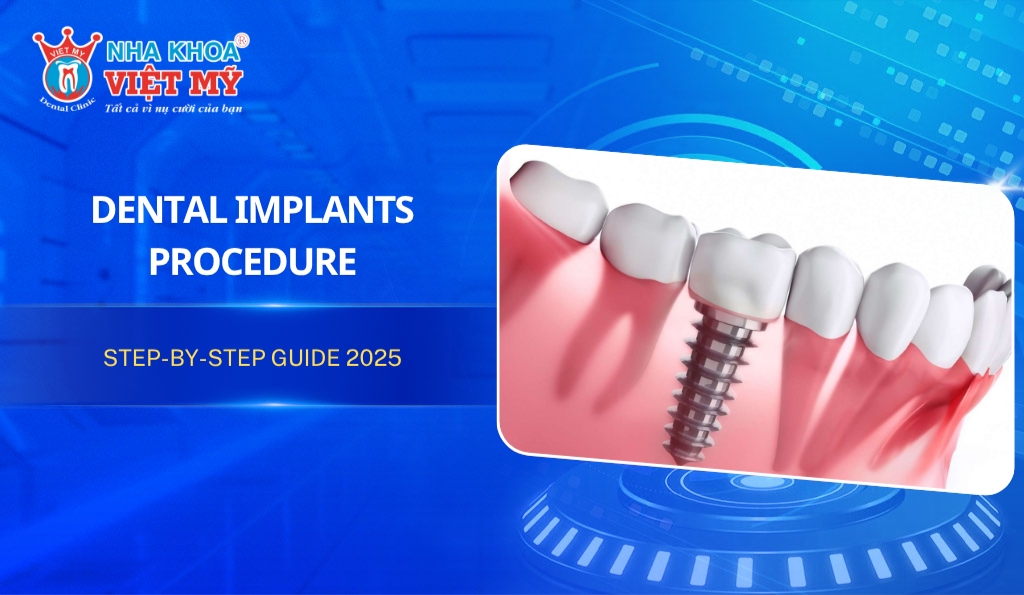
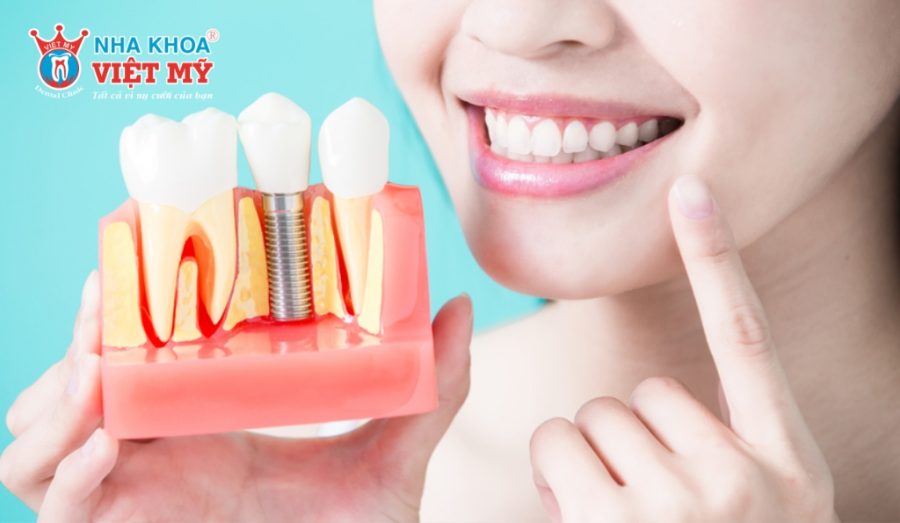
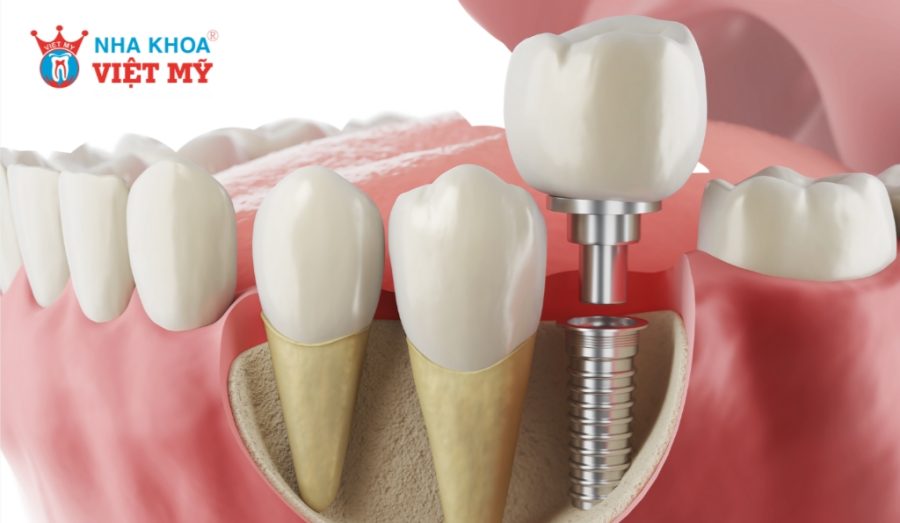
Dental implants are a method of replacing missing teeth by placing a titanium implant fixture into the jawbone, then attaching a crown or bridge on top. Over time, the implant integrates with the jawbone, creating a solid foundation similar to natural teeth.
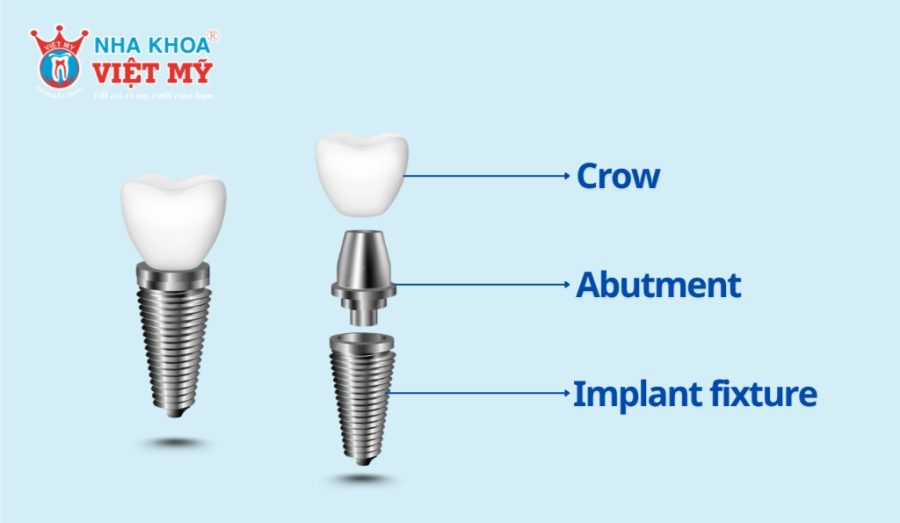
Main components of a dental implant:
- Implant fixture: Made of titanium, inserted into the jawbone.
- Abutment: The part that connects the implant fixture to the crown.
- Dental crown: The visible part of the tooth, attached to the abutment.
2. Benefits of dental implants
Dental implants are a modern and advanced method of tooth replacement, widely applied worldwide. In Vietnam, implant dentistry is becoming increasingly popular and is the first choice for many people experiencing tooth loss. Experts recommend this technique for the following benefits:
- Restored chewing ability: A stable implant allows you to eat like natural teeth without slipping or pain.
- Prevents jawbone loss: The implant stimulates the jawbone, avoiding bone resorption after tooth loss.
- Natural aesthetics: Implant crowns look almost identical to natural teeth in both color and shape.
- Long-lasting durability: With proper care, implants can last decades, even a lifetime.
- Improved speech: No interference with tongue or mouth movement, enabling clearer pronunciation compared to removable dentures.
- Increased confidence: A complete set of teeth and a natural smile help you feel confident in communication.
3. Step-by-step dental implant procedure
Dental implants procedure is a complex process carried out in scientifically planned steps to ensure long-term effectiveness, aesthetics, and patient safety. Below is the sequence from the initial consultation to the final restoration:
3.1. Initial consultation and 3D X-ray
Every dental implants procedure begins with a comprehensive oral health examination and assessment of the jawbone condition. 3D X-rays allow the dentist to observe the bone structure in detail, identify the missing tooth positions, and detect any underlying issues, forming the basis for an accurate treatment plan.
3.2. Treatment planning and cost discussion
After examination results, the dentist develops a comprehensive treatment plan, including the number of implants, any supporting techniques needed, estimated timeline, and costs. Patients are informed about each step, helping them choose the most suitable solution according to their needs and personal conditions.
3.3. Tooth extraction (if necessary)
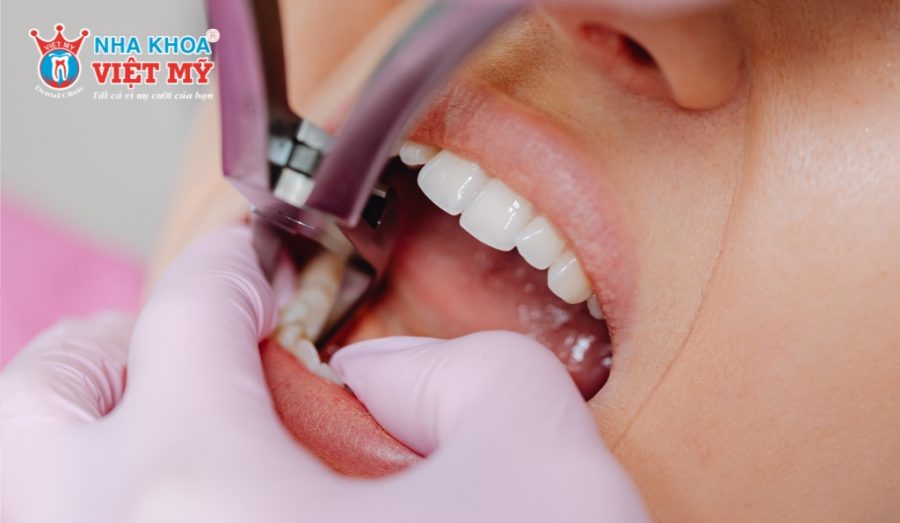
If the existing tooth is damaged or cannot be restored, extraction is performed. This is done gently to protect the gums and minimize trauma, creating optimal conditions for the future implant.
3.4. Bone grafting or sinus lift (if required)
In cases of insufficient jawbone height or bone loss, bone grafting or a sinus lift is performed. This step ensures a solid foundation for the implant, allowing proper integration and long-term stability.
3.5. Implant placement surgery
The implant post is inserted into the jawbone at the planned position and angle. The procedure is performed precisely to ensure stability and create a strong foundation for subsequent steps.
3.6. Healing and osseointegration period
After implant placement, the jawbone gradually fuses to the implant surface over 3 – 6 months. This process determines the strength and load-bearing capacity of the artificial tooth. Regular follow-ups are necessary to ensure implant stability and prevent complications.
3.7. Abutment placement
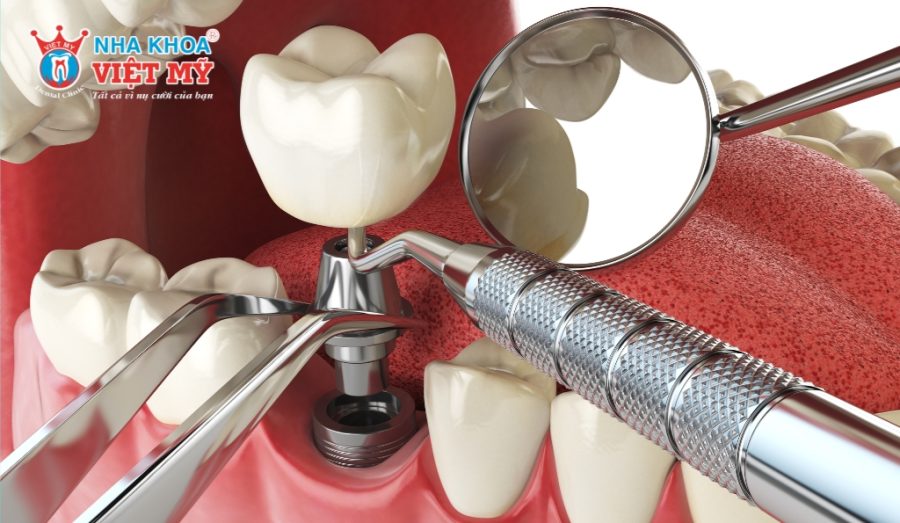
Once the implant has fully integrated with the bone, the abutment, which connects the implant to the crown, is placed. It holds the crown securely and ensures it is positioned accurately in both height and alignment. This step also allows the surrounding gum tissue to develop naturally, providing a stable and aesthetically pleasing foundation for the crown.
3.8. Crown placement
The final step is attaching the dental crown to the abutment. The crown is custom-designed to fit the bite perfectly, ensuring a natural appearance and balanced occlusion. High-quality ceramic materials replicate the color, shape, and shine of natural teeth while fully restoring chewing function.
4. How long does a dental implant procedure take?
The duration of a Dental implants procedure depends on several factors, including the number of implants, jawbone condition, whether bone grafting is needed, and the patient’s overall health. On average, the process from initial consultation to the final crown placement typically takes 3 to 6 months. The timeline can be divided into two main stages:
- Implant placement: Each implant usually takes about 20 – 30 minutes, depending on the number of teeth and the technique used.
- Bone integration stage: After the implant is placed, patients need to wait 3 – 6 months for the jawbone to stabilize and the implant to fully integrate.
In some cases, if the jawbone is healthy and bone grafting is not required, the dental implants procedure can be completed more quickly. Conversely, if bone grafting or sinus lifting is necessary, the treatment may take longer to ensure proper implant integration.
5. Aftercare tips for dental implants
Proper care after implant placement is essential to help the implant integrate well, promote fast healing, and ensure the crown remains strong. Below are detailed guidelines to follow:
5.1. Post-surgery care (First 7 – 14 days)
The period right after implant placement is critical for implant stability and healing. Following care instructions carefully helps reduce complications and speeds up recovery. Key points to keep in mind during the first days after surgery include:
- Reduce swelling and pain: Apply ice externally to the implant area during the first 24 – 48 hours.
- Control bleeding: Gently hold cotton on the area if bleeding occurs; avoid vigorous rinsing.
- Gentle oral hygiene: Brush lightly around the implant area and use saline solution or a specialized mouthwash.
- Diet: Prefer soft foods and avoid chewing directly on the implant site.
- Medication and follow-up: Take prescribed medications and attend follow-up appointments to check the healing process.
5.2. Long-term maintenance (After healing)
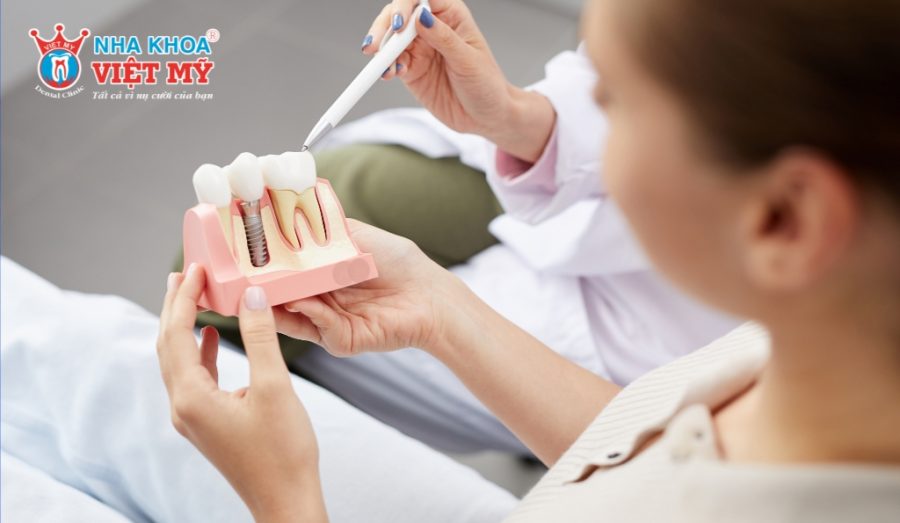
Once the implant area has healed and the crown is placed, the implant functions like a natural tooth. To maintain its durability and lifespan, proper oral hygiene and regular check-ups are essential:
- Thorough oral hygiene: Brush at least twice a day, use dental floss, and rinse with mouthwash to prevent plaque buildup.
- Regular check-ups: Revisit every 3 – 6 months to ensure the implant and crown remain stable.
- Avoid harmful habits: Do not chew hard foods, avoid teeth grinding, or habits that could damage the implant.
- Nutrition and lifestyle: Maintain a diet rich in calcium and vitamins, and limit smoking and alcohol to keep implants healthy long-term.
6. Why choose Viet My Dental Clinic for your implant treatment?
Viet My Dental Clinic is a top choice for implant treatment thanks to its team of highly experienced dentists trained both domestically and internationally, along with state-of-the-art equipment. Each case is carefully planned and uses genuine implants from reputable brands such as Straumann (Switzerland), Nobel (USA), Osstem (South Korea), ETK (France), ensuring safety and long-term effectiveness.
In addition to an internationally standardized, painless, and fast-recovery dental implants procedure, Viet My Dental Clinic provides attentive post-treatment care, long-term warranties, and regular follow-ups. The clinic also offers a variety of implant service packages at reasonable prices with installment options, making it easier for patients to access a durable and highly aesthetic tooth replacement solution.
7. FAQs: Dental implants in Vietnam (for foreign patients)
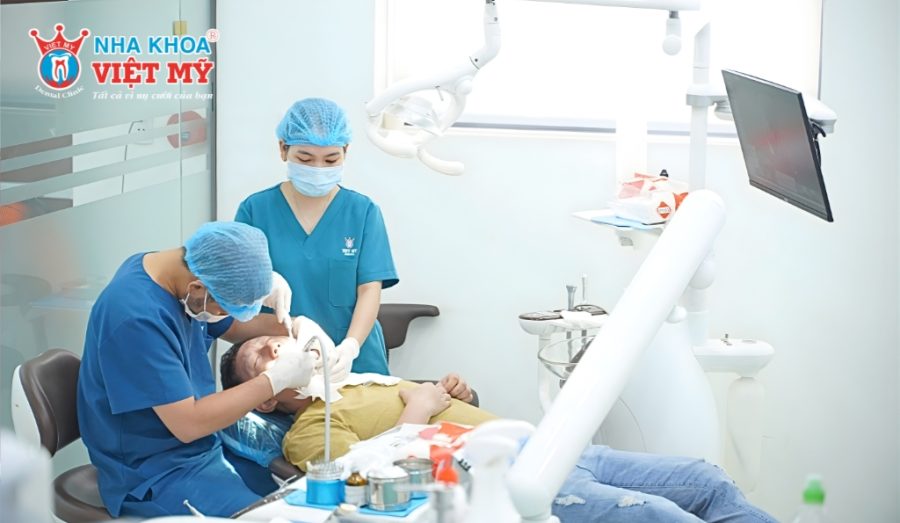
If you are an international patient considering dental implant treatment in Vietnam, you may have questions about safety, cost, and the procedure. The following frequently asked questions will help you understand more and feel confident choosing dental services in Vietnam.
Q1. Is it safe to get dental implants in Vietnam?
Yes. Many dental clinics in Vietnam, including Viet My Dental Clinic, use modern technology, follow internationally standardized sterile procedures, and utilize genuine implant materials. The highly trained dental team ensures patient safety.
Q2. How much can I save compared to getting implants in my country?
You can save 50 – 70% compared to getting implants in the USA, Australia, Canada, or Europe, while still receiving high-quality service that strictly follows the standard dental implants procedure.
Q3. How long do I need to stay in Vietnam for the procedure?
Typically, you need to stay 5 – 7 days for the initial implant placement. You may return after 3 – 6 months for the crown placement, depending on your jawbone condition.
Q4. What if something happens after I return home?
The clinic provides your treatment records and care instructions. You can receive online support remotely or return to the clinic for more complex issues.
Q5. Do you provide assistance for travel or accommodation?
Yes. Viet My Dental Clinic and other clinics offer assistance with hotel booking, airport transfers, or suggestions for local tours while you undergo treatment in Vietnam.
Understanding each step of the dental implants procedure helps you feel more confident when choosing this modern tooth replacement method. With an experienced team and advanced technology, Viet My Dental Clinic is committed to providing safe and aesthetic implant services. Contact us now via hotline 1900 636 734 for a free consultation with our specialists!

Bác sĩ Nguyễn Văn Thuyền tốt nghiệp từ trường Đại học Y Dược Thành phố Hồ Chí Minh, một trong những cái nôi đào tạo y khoa hàng đầu cả nước. Với nền tảng kiến thức vững chắc và sự đam mê với nghề, bác sĩ Thuyền chịu trách nhiệm kiểm duyệt và đảm bảo những thông tin trên website chính xác.